Monday, January 18, 2021

6-Month-Old Baby's Food Chart And Recipes

Six Month Old Baby's Food Chart And Recipes

The first foods offered to a baby are called stage 1 baby food. They are pureed and strained so that the little ones can gulp and digest them easily. They are low on allergy grade

However, consult a pediatrician before introducing any new food to your little one.

Below are some of the best foods for a six-month-old baby:

The first foods offered to a baby are called stage 1 baby food. they're pureed and strained in order that the small ones can gulp and digest them easily. they're low on allergy grade

However, consult a pediatrician before introducing any new food to your baby .

Below are a number of the simplest foods for a six-month-old baby:

1. Milk

Continue breast milk or formula for your baby because it is that the main source of nutrition for babies until one year . Breastfeed every two to 3 hours or on demand. Alternatively, offer 24-37 ounces of formula milk a day .

2. Stage 1 fruits

Apples, avocados, apricots, bananas, mango, nectarines, peaches, papaya, pears, plums, prunes, chikoo, pumpkin and kiwi pulp make great first foods for a baby. Remember to incorporate fruits in mashed or puree form only.

3. Stage 1 veggies


Babies can digest boiled and mashed vegetables like beans (green), carrots, sweet potato, squash, green peas, potatoes, baby marrow, butternut, and pumpkin.

4. Water

Give boiled and cooled-to-room-temperature water to your baby a minimum of thrice each day . Give water after the meal and not in between the feed because it may reduce the entire food intake.

5. Cereals and pulses

Cereals and pulses like rice, barley, oats, and lentils provide essential nutrients like proteins and minerals to the growing babies. Cook these things until they're soft and mash them.

6. Meat

You can add pureed and stewed poultry, and fish (less in mercury) to your baby’s diet. Ensure to get rid of bones while serving these foods.

Food Chart For Six-Month Baby

You may design your baby’s food chart on these lines:

Wake up time

      • Formula or breast milk. Continue breastfeeding for the rest of the day.

Breakfast (7:30 to 8am)

      • Fruit mash or vegetable mash

Lunch (11:30 to 12:30pm)

      • Cereals such as rice, barley or oats

Snacks (3:30 to 4pm)

      • Fruit or vegetable purees

Dinner (6 to 7pm)

      • Veggies, fruit mix or grains


Remember that you are preparing the chart for your reference only. You need not have to strictly stick to a schedule. Offer milk and solids in an order that is convenient to you and acceptable to your baby.

However, make food so tasty that your baby would not mind eating it at any time of the day.

Recipes For Six-Month Baby

Try these baby food recipes for your 6-month-old and let him taste the yummy and nutritious meals.

Breakfast/Snack Recipes

1. Apricot puree
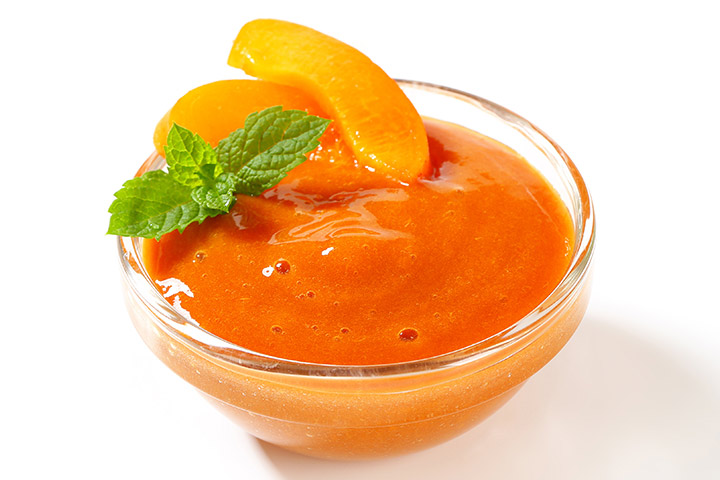
Image: iStock

You will need:

  • 1 pound dried apricot
  • 2 cups pear, white grape juice or apple juice

How to:

  1. Boil the ingredients in a saucepan. Then cook in simmer for 15 minutes.
  2. Transfer the contents into a blender and blend well.
  3. Add in more juice to get thinner consistency or add cereal to thicken it up.

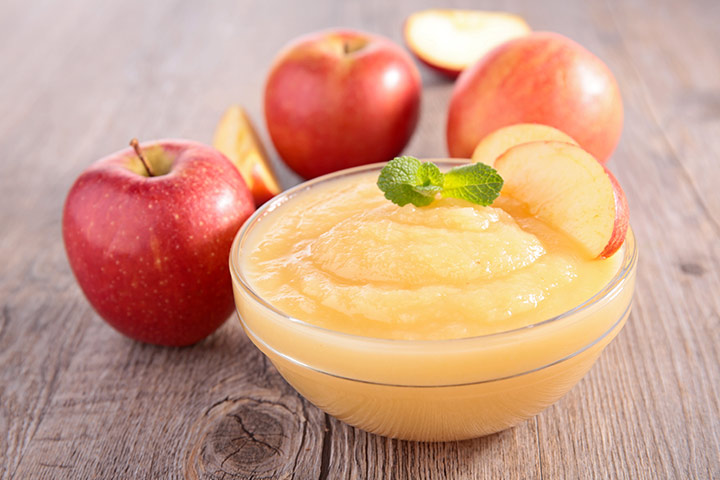
2. Apple sauce

Image: Shutterstock

You will need:

  • 1 apple (peeled, cut into slices)
  • 2 cups water

How to:

  1. Boil the apple slices in a saucepan. The slices need to immerse in water.
  2. Once done, mash the apple slices. Add water to get the desired consistency.

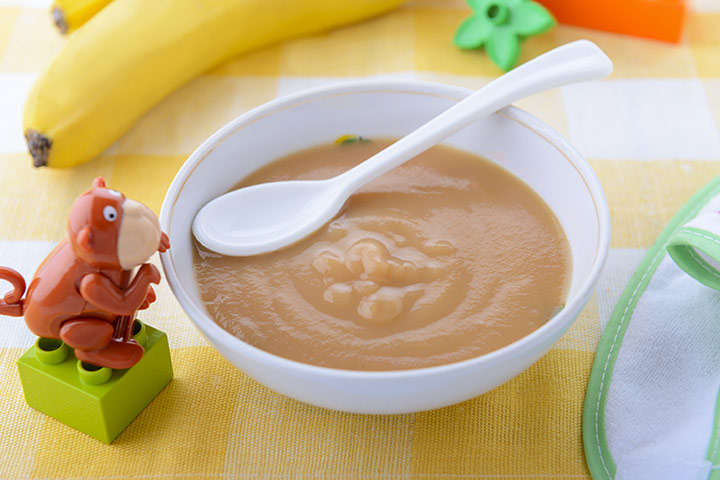
3. Banana puree

Image: Shutterstock

You will need:

  • 1 ripe banana (peeled and diced)

How to:

  1. Blend the banana in a food processor or mash in a bowl.
  2. Heat the mashed content for 25 seconds for added softness.
  3. Add milk or water to make it thinner or cereal to thicken it.

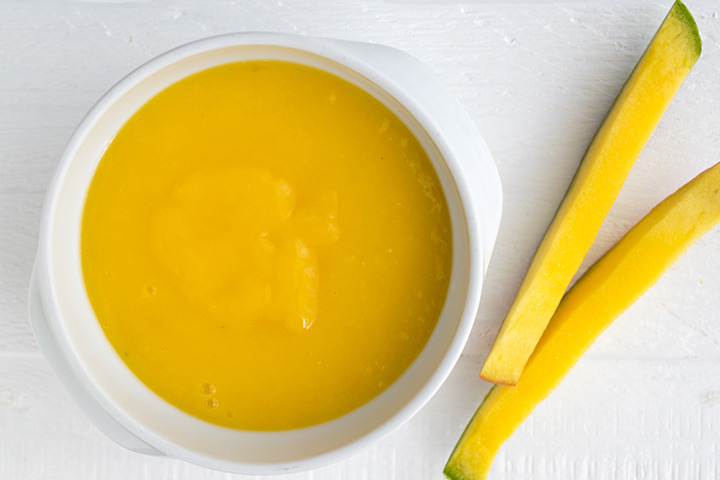
4. Mango delight

Image: Shutterstock

You will need:

  • 1 ripe mango (peeled, de-seeded, chunked)

How to:

  1. Blend the mango chunks in a food processor.
  2. Add in breast milk or formula milk to achieve desired consistency.

Lunch Recipes

5. Rice cereal

Image: Shutterstock

You will need:

  • 1/4 cup rice
  • 1 cup water
  • 2 tbsp formula or breast milk

How to:

  1. Wash the rice and cook it in a saucepan or pressure cooker.
  2. Mash the cooked rice and add formula or breast milk.

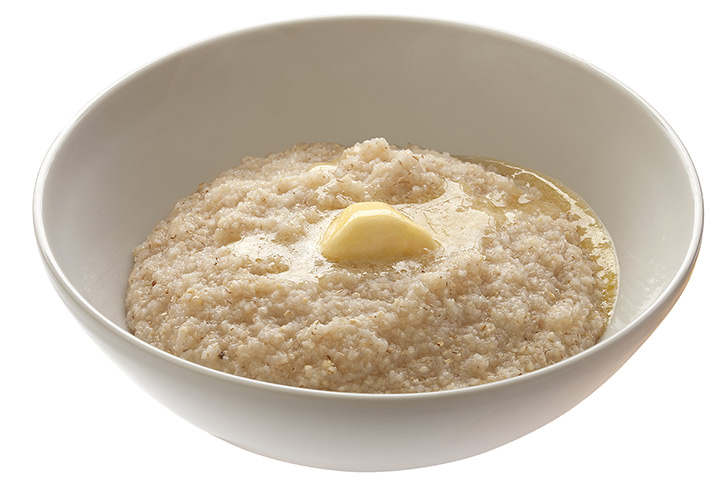
6. Barley apple porridge

Image: Shutterstock

You will need:

  • 1/4 cup ground barley
  • 3.5 cup water
  • 2tbsp formula or breast milk
  • 1 cup peeled and cubed apple

How to:

  1. Boil water in a saucepan and add barley.
  2. Cook in simmer for 10 minutes.
  3. Add apple slices and cook on low heat for two minutes.
  4. Puree the contents using a hand blender.

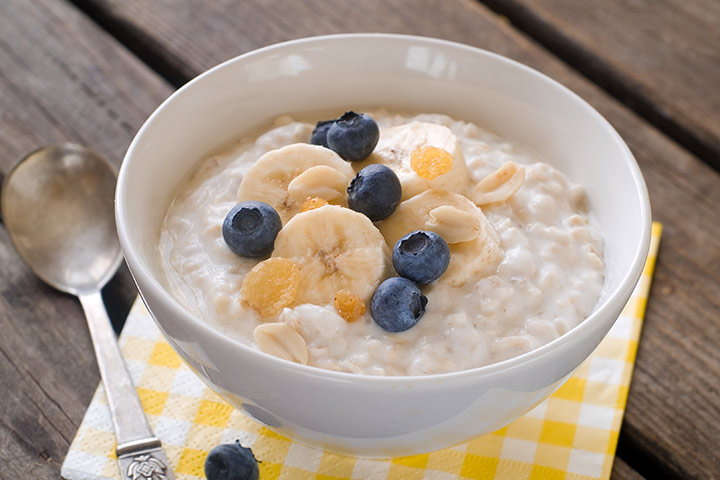
7. Oatmeal cereal

Image: Shutterstock

You will need:

  • 1/3 cup water
  • ¼ cup ground oats
  • 2tbsp formula or breast milk
  • ½ banana sliced

How to:

  1. Take a saucepan, add water and bring it to boil. Add oats and cook in simmer for 10 minutes.
  2. Once done, add bananas and mash well. Add formula or breast milk to get the desired consistency.

8. Baked apples

You will need:

  • 1 apple (peeled, cored)

How to:

  1. Spread butter on the cored apple and put it in a pan containing water.
  2. Preheat the oven to 400°F and place the pan in it.
  3. Bake the apple for 30 minutes.
  4. After baking, mash the apples to desired consistency.

Dinner Recipes

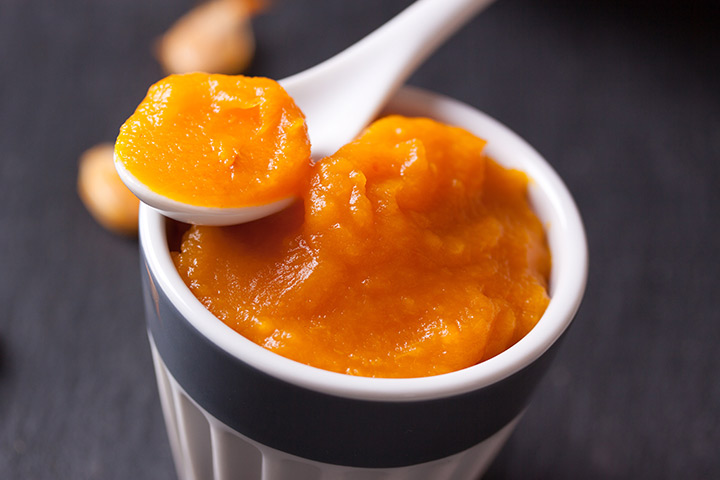
9. Pumpkin puree

Image: Shutterstock

You will need:

  • 1 medium sugar pumpkin (cut in half and De-seeded)

How to:

  1. Scoop out the seeds from the sugar pumpkin halves and drain the pumpkins with water in a baking pan.
  2. Bake for 40 minutes in the oven preheated to 400°F. Once the halves turn soft, scoop the squash meat and puree it in a food processor. Add water to achieve a smooth consistency.

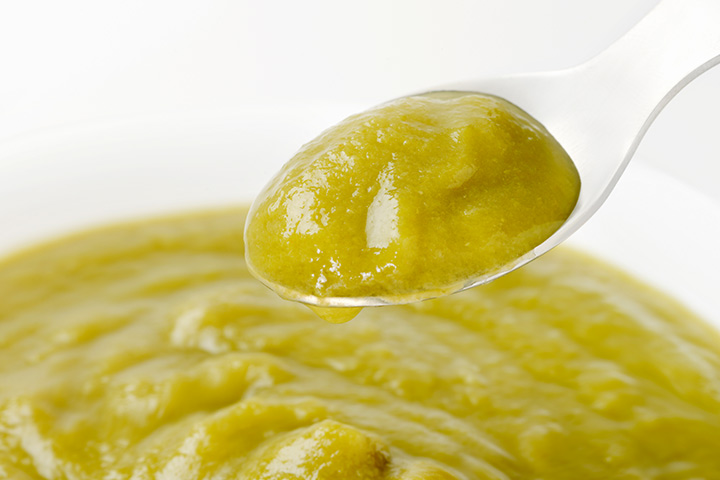
10. Green beans puree

Image: Shutterstock

You will need:

  • 1 cup fresh beans

How to:

  1. Transfer the beans into a pan and place it in a steamer basket.
  2. Steam until tender. Keep a check on the water level.
  3. Once done, puree the contents in a blender and bring it to a smooth consistency.

11. Carrots puree

Image: Shutterstock

You will need:

  • 1 carrot (sweet, peeled, cut)

How to:

  1. Transfer the carrot slices into a steamer pan containing water. Steam until the carrots turn tender.
  2. Place the contents into a blender and puree them. Add water if needed.

12. Vegetable combo

Image: Shutterstock

You will need:

  • 1/8 cup fresh beans
  • 1/8 cup peas
  • ¼ cup summer and zucchini squash
  • 1/8 cup chopped carrots

How to:

  1. Add all the ingredients to a pan and add enough water.
  2. Cook until tender and puree the contents in a blender.
  3. Add water to get the desired consistency.

With such interesting recipes, it is likely that your baby would love her new diet. But you cannot feed her beyond small quantities just because she has developed a liking for it.

How Much Should A Six-Month-Old Eat?

Start with servings of 5-10ml or one-two teaspoons and increase the amount gradually . The baby may eat just half a spoon initially. Do not force-feed them.

Also, moving to solids is not easy as you need to be careful not to choke the baby or hurt their tummy with heavy foods. Take enough care not to harm the baby when you are feeding solids.

Heat food to lukewarm. Avoid heating it in the microwave as it creates pockets of heat that can burn the baby’s mouth. Instead, keep the food bowl in a bigger bowl of boiling water to heat it.

Caution While Preparing Stage 1 Baby Food

  1. Do not give cow milk to babies under one year. Also avoid honey, since it may contain spores that cause botulism.
  2. Never give slices of fruit or other finger foods to six-month-old because it could choke them.
  3. Refrain from store-bought baby foods as they are usually extremely sweet, acquainting the baby to a taste for sweet foods instead of healthy natural foods.
  4. Introduce one fruit at a time and check for any allergic reactions. Follow a four-day-wait rule in between two new foods.
  5. Feed your baby in a calm and pleasant environment.
  6. Prepare baby food in steel or glass containers. Say no to plastic containers, even if they are food-grade.
  7. Offer water in a sterile glass or steel cup, but not in a sipper or feeding bottle.
  8. Avoid biscuits as they contain refined flour, preservatives, and added sugar.
  9. Wash your hands before feeding your little one.

Introduce your baby to healthy foods so that they can develop a liking for them. Begin with easily digestible foods such as cereals, fruits, and veggies. Engage them with rhymes or soft music while eating. Place them on your lap while feeding, as this is a safe spot, and they already associate it with feeding. You can later move them to a feeding chair

0 Comments:

Post a Comment

Subscribe to Post Comments [Atom]

<< Home